
Why immunity matters for the human body
Immunity is the body's ability to defend itself against invaders, to resist and protect itself from infections, diseases or other biological or chemical threats. To this end, the body produces over ten million antibodies every hour, and such productivity demands rich reserves of nutrients.
Immunity is the body's ability to defend itself against invaders, that is, the body's ability to resist and protect itself from infections, diseases or some other biological or chemical threat. To this end, the body produces over ten million antibodies every hour, and such productivity requires rich reserves of nutrients.
Regardless of the progress of science and technology, in recent years we have faced a growing number of infectious diseases. The question of immunity, the ability of our body to defend itself against disease, is becoming ever more important, because the immune system monitors our body and prevents the development of unhealthy cells within it.
Our body has defensive forces, known as the immune system, with which it blocks and neutralises foreign organisms that it recognises as a threat to our body.
The basic role of the immune system is to establish a natural barrier that will stop bacteria and viruses, cancerous cells and toxins from harming our health.
The state of immunity plays a particularly important role in the following situations:
– Planning a pregnancy
During the preparation and planning of a pregnancy, women must pay special attention to their immunity and work on it seriously if it is weakened or unsatisfactory, because during pregnancy they will be far more susceptible to infections if their immune system is weakened.
There are a large number of natural preparations and medicinal herbs that can help strengthen immunity. However, not all products, nor all plants, are suitable for use during the period of preparation for pregnancy, and this should be kept in mind.
The human immune system is the subject of major scientific research, because even today we witness that at times it works flawlessly and at other times it fails. There is still no analysis by which we can determine the state of the immune system, because all the processes taking place in the body also affect the state of the immune system.
Usually, a sign that the immune system is not working properly is the frequency of infections as well as the appearance of allergies.
Diet and eating nutritionally valuable foods can contribute to improving immunity.
Excessive stimulation of the immune system can be counterproductive, and the immune system may turn against the cells of its own body.
Immunomodulators, however, regulate the activity of the immune system. If the immune system is of reduced activity, they boost it, and if it is working excessively, they reduce it.
Slowing the ageing process
Diet and eating nutritionally valuable foods can contribute to improving immunity.Epidemiological studies point to the protective effect of berry extracts against the loss of brain functions caused by ageing, such as memory, learning, motor skills and neurological signal transduction.
Preventing respiratory infections
Although they are most often harmless and pass without complications, acute respiratory infections nonetheless disrupt the everyday rhythm of the whole family. This is especially noticeable in small children. Since a sick child cannot go to a group setting, working parents miss work, which creates additional stress for the whole family. But we should think about health in time, take care of prevention, and strengthen immunity, especially during the season of respiratory infections.
The intestines are the largest organ of the human immune system, because their walls contain over 70% of the total number of the body's immune cells.
That is why the intestinal microflora, made up of billions of beneficial (probiotic) bacteria naturally residing in the intestines, is very important for the proper development of the body. Since babies are born with a completely sterile intestinal flora, the fastest possible maturation of the digestive system is extremely important for them, because it is the first barrier in the body's defence. Children acquire adult immunity only at two years of age. It is precisely in that period that it is important to act preventively, that is, to help form the child's intestinal microflora, thereby reducing the risk of possible allergic and acute diseases.
In addition to a good quality of life, which includes regular hygiene of the hands and mouth, enough sleep, physical activity, play and spending time in nature in the fresh air, a proper and balanced diet as well as taking dietary products that contain probiotic bacteria also play a significant role in building immunity.
Nutritionally rich foods are: beetroot, spinach, garlic, ginger, sweet potato, carrot, walnut, almond, a variety of medicinal herbs: green tea, nettle, dandelion, lemon balm, rosehip, birch, and other herbs, usually in combination with honey, lemon or propolis. It is important to enrich your daily diet with some of these foods and to take care of the state of your immune system throughout the whole year.
A healthy life is a precondition for healthy immunity, and it is made up of: a healthy diet, a sufficient amount of sleep, physical activity, hygiene, appropriate living and working conditions, as well as avoiding stressful situations.
Related articles
All articles
The Legend of Vitamin C
Vitamin C is the most important vitamin for our body. Replenishing it is extremely important for the healthy functioning of our organism. There were times when people died en masse for lack of vitamin C; that disease is called scurvy. It is time to learn the history of vitamin C, without which we would have no health.
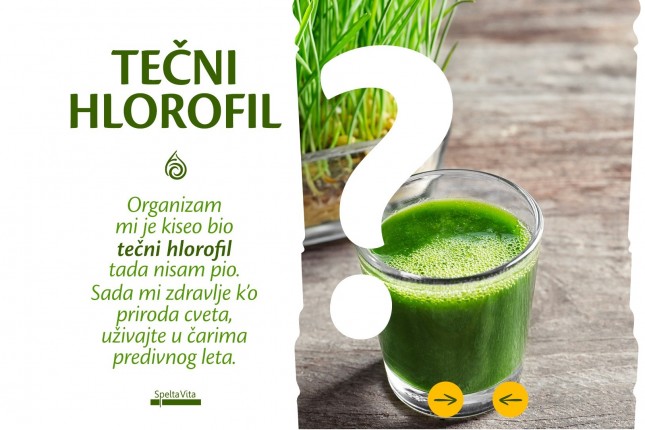
Liquid Chlorophyll
Liquid chlorophyll. Chlorophyll is the green pigment in plants, and lately it is mentioned more and more often for its antioxidant and antibacterial action, and it is well suited to detoxing the body. It is found in all green plants (more in dark-green ones) and helps them with photosynthesis.

Allergies
What is an allergy? An allergy is a special kind of inflammation, when our immune system reacts strongly to certain external factors. Allergic symptoms are, in principle, already established in the body beforehand, and will not stop as long as the body is in contact with a particular allergen.